Plinko and Mines in Zora: different settings, different round logic
Plinko and Mines are useful examples of why an instant-game label does not supply a complete rulebook. A Plinko implementation typically presents a path and a payout distribution; a Mines implementation presents a board and reveal decisions. The exact title on Zora determines the available settings, prices and completion rules. Do not transfer the controls of one implementation to another simply because the family name matches.
For Plinko, read the selected settings and the displayed payout table together. For Mines, identify the number of hazards, what a reveal commits and how a round is collected or lost. A bright visual path or a successful earlier reveal does not establish a safe future outcome.
Compare the round’s full exposure rather than the visual number of actions. Several animations may belong to one paid action, while a new start may commit another stake. Locate the distinction before using rapid or automatic controls. If settings change, recheck the price instead of assuming the earlier stake still applies.
A practical comparison asks which format you can follow clearly from commitment to recorded result. It does not rank either game as a reliable income method. Keep a fixed activity limit and stop when you cannot explain what the next confirmation will commit. Past patterns are not a substitute for the current rules.
What the two inspected demo screens actually show
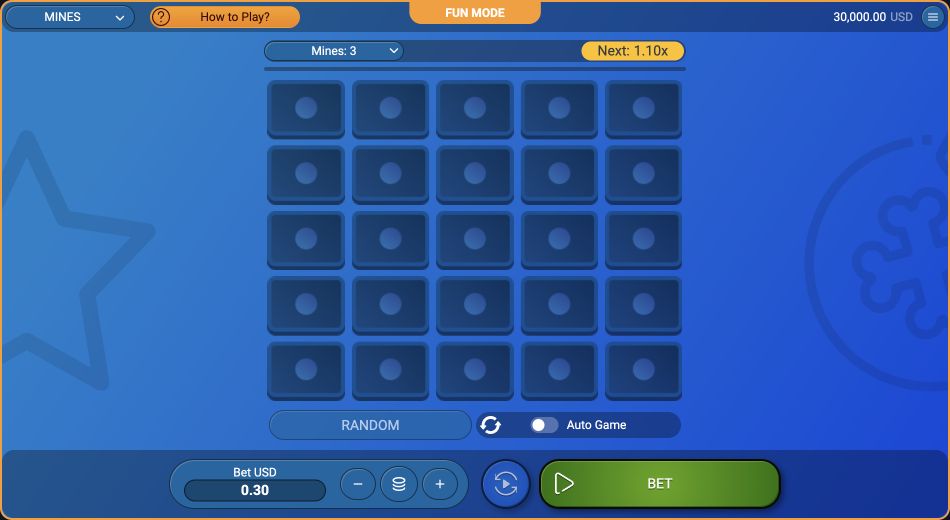
The directly inspected Spribe Mines demonstration on Zora displayed a 25-cell board with three mines selected and a next value of 1.10×. Its Help described revealing stars or mines and the ability to collect after a move. These are observations of one visible configuration in FUN MODE. No round was started, so the screenshot does not show a successful reveal or a paid result.
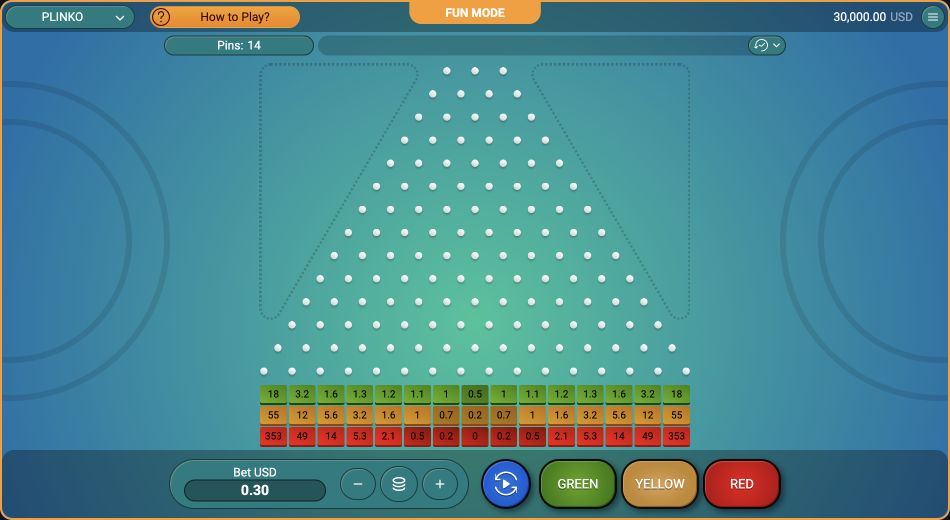
The inspected Spribe Plinko demonstration showed Pins set to 14 and three multiplier tables labelled GREEN, YELLOW and RED at the same time. This provides a concrete contrast with Mines: the screen presents distributions attached to settings rather than a covered board to reveal. It does not establish that every Plinko version uses the same number of pins or the same tables.
Compare settings before comparing multipliers
For Mines, the selected mine count is part of the starting configuration. A prospective next multiplier should not be confused with an amount already available for collection. For the observed Plinko screen, keep the selected setup and the relevant displayed table together. Copying the highest number from a different row would describe a different comparison from the one visible in the intended configuration.
A useful side-by-side note therefore contains configuration, price, action and completion rule. Mines might require explaining the distinction between the current board and the next reveal. Plinko requires explaining how the displayed table relates to the selected setup. Neither note should infer a reliable pattern from the geometry of the picture. The diagrams show interface structure, not a forecast of the next result.
Separate the original stake from a later collection value
Suppose a generic round stakes €1 and later offers a total return of €1.10. If the rule defines that number as total return, the difference from the stake is €0.10. A next-step value of 1.10× shown before any confirmed success is a different state. The observed Mines screen belongs to that latter kind of preview, not evidence that €1.10 was obtained.
This distinction also helps when reading Plinko results below or above one times the stake. A return multiplier is not automatically a profit multiplier. Check the precise label and complete round record. The two demo images are useful because they let readers compare visible controls without implying a real-money trial, an achieved payout or a promise that the same configuration will remain available indefinitely.